


This reflective essay emerges from ethnographic fieldwork on the health impacts of climate change in vulnerable urban settlements in Delhi and Patna. Both cities are shaped — historically, materially, and imaginatively — by their rivers: the Yamuna and the Ganga. Working across these sites has compelled me to reconsider the river not merely as a hydrological entity or environmental variable, but as a social and political metaphor.
The river, in this sense, becomes a way of thinking about memory, inequality, development, and health. It connects past and future, prosperity and dispossession, sacredness and contamination. It also structures the everyday lives of those who inhabit its banks — often the urban poor, frequently migrants, and almost always those bearing the uneven burdens of climate vulnerability.
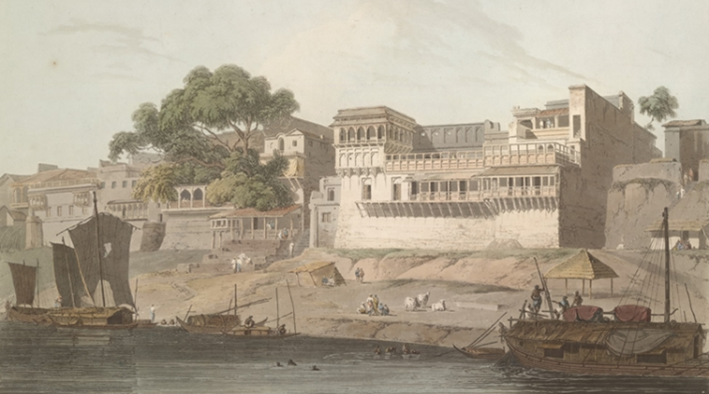
River valley civilizations were not incidental developments; they were organized around water's generative capacity. The Ganga basin, like the Indus before it, sustained agriculture, trade, and settlement. Cities such as Patna grew precisely because rivers enabled mobility, commerce, and fertility. The Golghar in Patna, constructed in 1786 following a devastating famine, stands as a reminder of how colonial governance sought to manage scarcity in a riverine landscape marked by both abundance and unpredictability. The same river that facilitated trade — including the opium routes linking Bihar to global markets such as Shanghai — also produced floods that shaped collective memory and administrative anxiety.
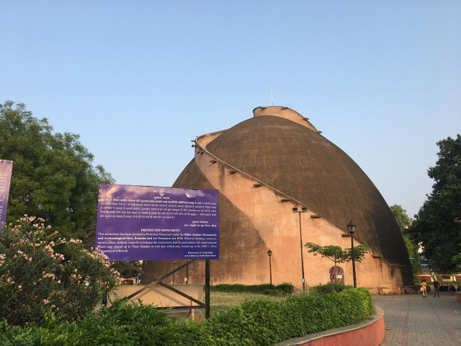 Photo: Aruna Bhattacharya
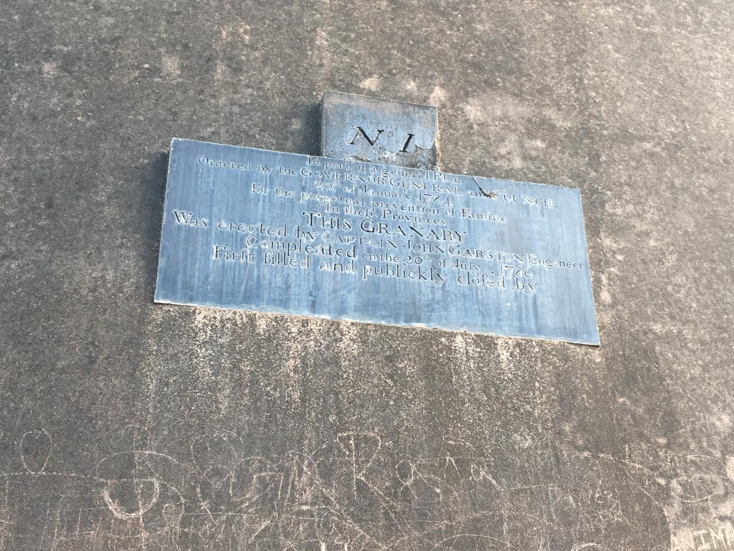 Photo: Aruna Bhattacharya
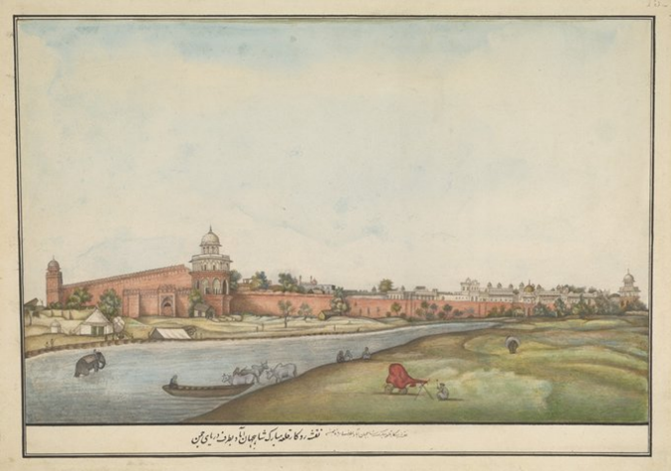
In Delhi, the Yamuna occupies a similarly contradictory position. Mythologically sacred and central to civilizational narratives, it is simultaneously one of the most polluted stretches of river in the country. The Red Fort — reminder of Mughal political power — once overlooked a flowing river that symbolized imperial grandeur. Across the river today lie settlements routinely described in planning documents as "encroachments." The spatial juxtaposition is telling: heritage on one bank, precarity on the other.
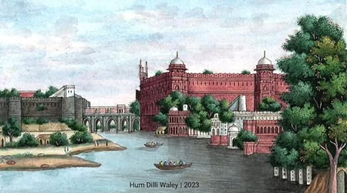
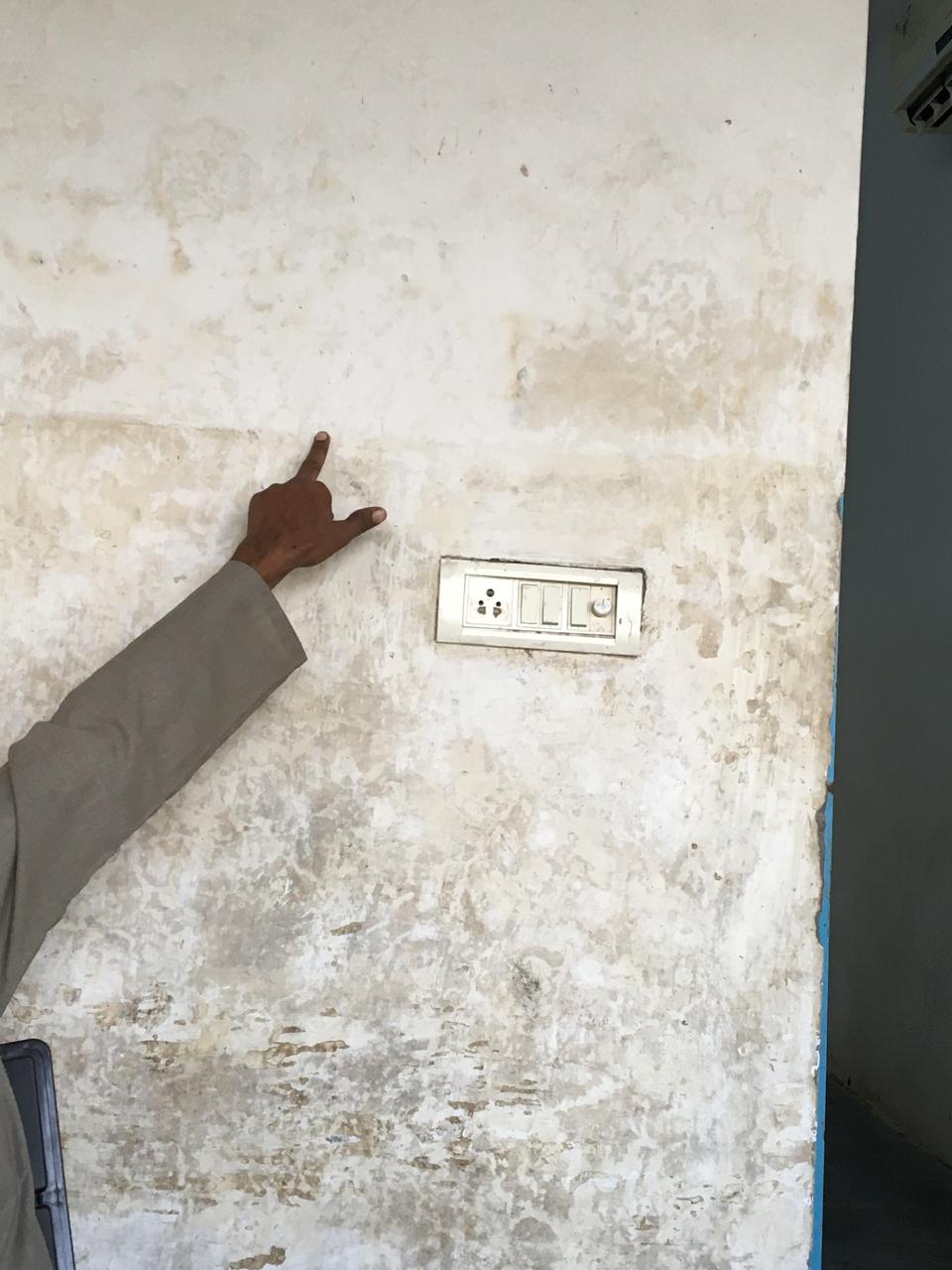 Photo: Aruna Bhattacharya
Ethnographic encounters complicate this binary. In riverside settlements, the river is not an abstract ecological concern. It is humidity in the air, dampness in the walls, the periodic threat of eviction, the source of waterborne disease, and sometimes the site of ritual and livelihood. It is experienced as livelihood, risk, and divine simultaneously.
Riverfront development projects in multiple Indian cities illustrate the differentiated valuation of riverine space. Certain stretches are beautified — promenades, landscaped parks, high-end residential projects marketed as "river-view luxury." Other stretches are cleared in the name of environmental restoration or floodplain protection, often displacing long-standing informal settlements. The language of legality becomes selectively applied: riverside dwellers are framed as illegal occupants, while industrial polluters or elite real estate developments are rarely described in equivalent terms.
Those living closest to the river frequently derive the least benefit from its economic value, while bearing the greatest exposure to its risks.
Climate change intensifies these structural inequalities. In both Patna and Delhi, residents of low-lying settlements describe increasingly erratic monsoons, more intense flooding, prolonged waterlogging, and extended periods of extreme heat. These environmental shifts translate directly into health outcomes: water contamination, vector-borne diseases, skin infections, respiratory illness exacerbated by damp housing, and heat-related stress.
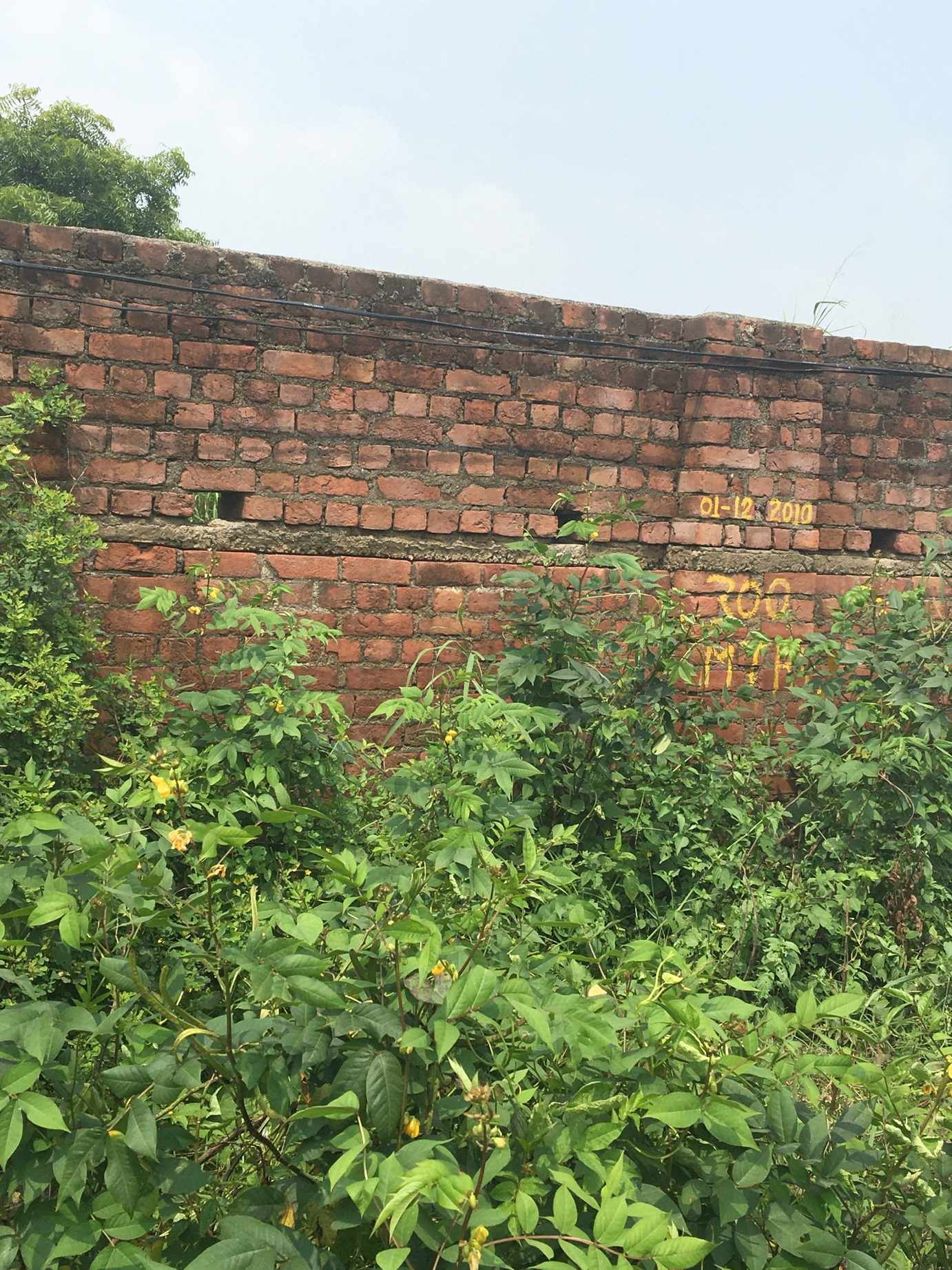 Photo: Aruna Bhattacharya
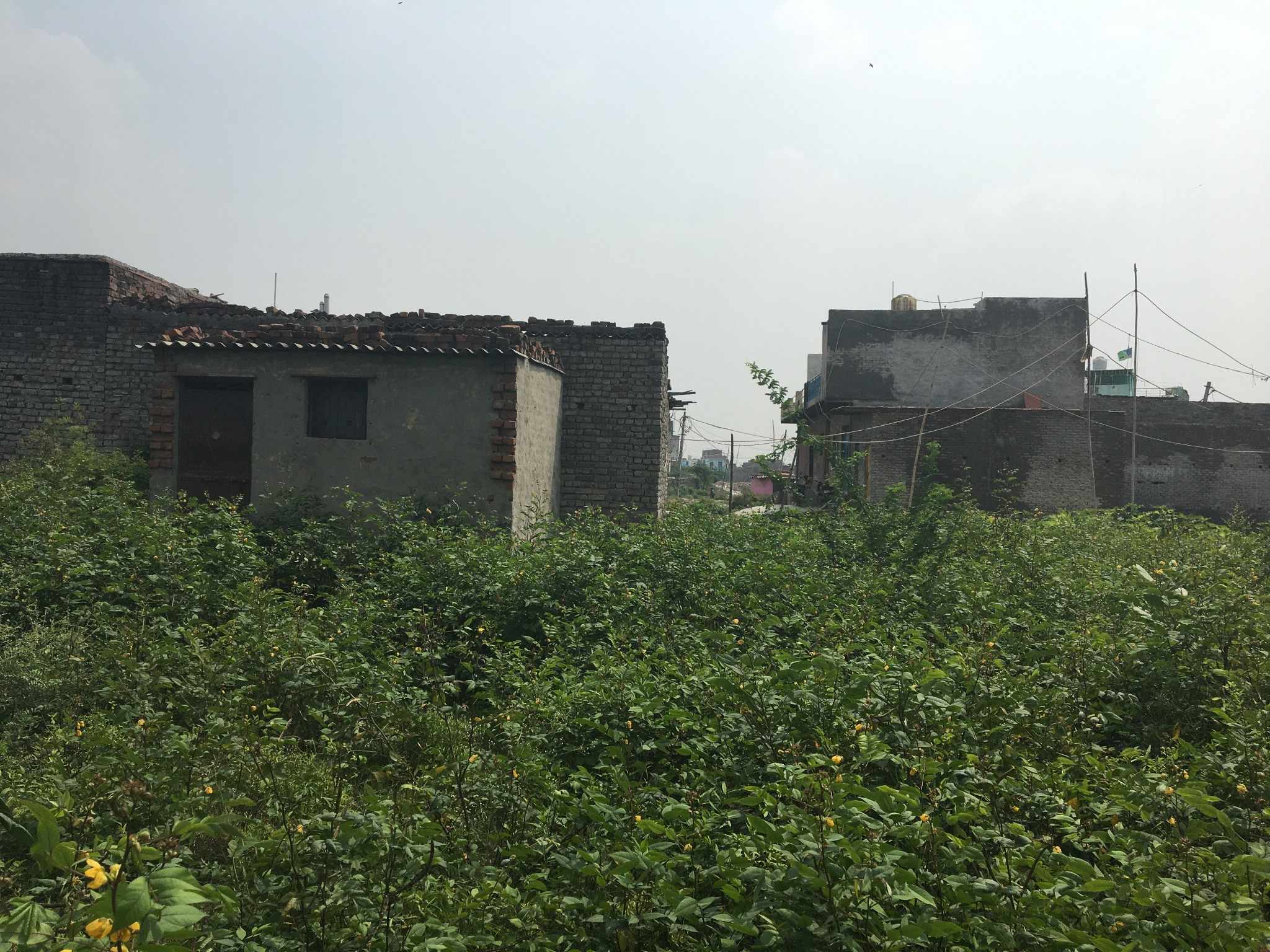
Health, in this context, cannot be understood in biomedical isolation. It is shaped by housing quality, sanitation infrastructure, access to potable water, and financial capacity to seek care. Families often report significant out-of-pocket expenditure during post-flood illness episodes, depleting already precarious savings. The river, then, moves from landscape to embodiment. It enters the body.
Yet, alongside contamination, the river retains sacred meaning.
In Patna, morning rituals along the Ganga continue uninterrupted. 'Ganga — jal' is pure. In Delhi, Chhath observances draw devotees into the Yamuna's waters, even when policy reports classify the water quality as unsafe. The coexistence of reverence and pollution does not necessarily indicate denial. Rather, it reflects layered relationships to the river — ecological, spiritual, historical, and economic — that exceed technocratic framings.
Development discourse often mirrors the language historically associated with rivers: connectivity, productivity, growth. However, just as rivers flood and erode, development displaces and marginalizes. Embankments, sand mining, concretization of floodplains, and large-scale infrastructure projects alter hydrological flows, sometimes amplifying vulnerability downstream. Communities that have long adapted to seasonal rhythms — raising plinths, safeguarding documents, rebuilding after floods — now confront environmental changes that are less predictable and more intense.
Adaptation, while evident in local practices, has limits when larger political-economic processes reshape ecological systems.
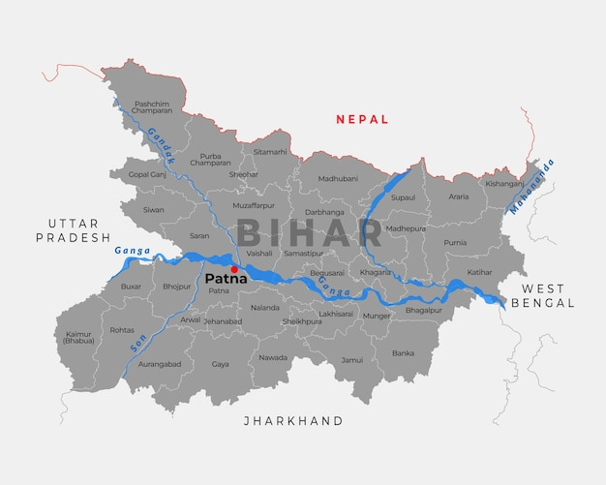
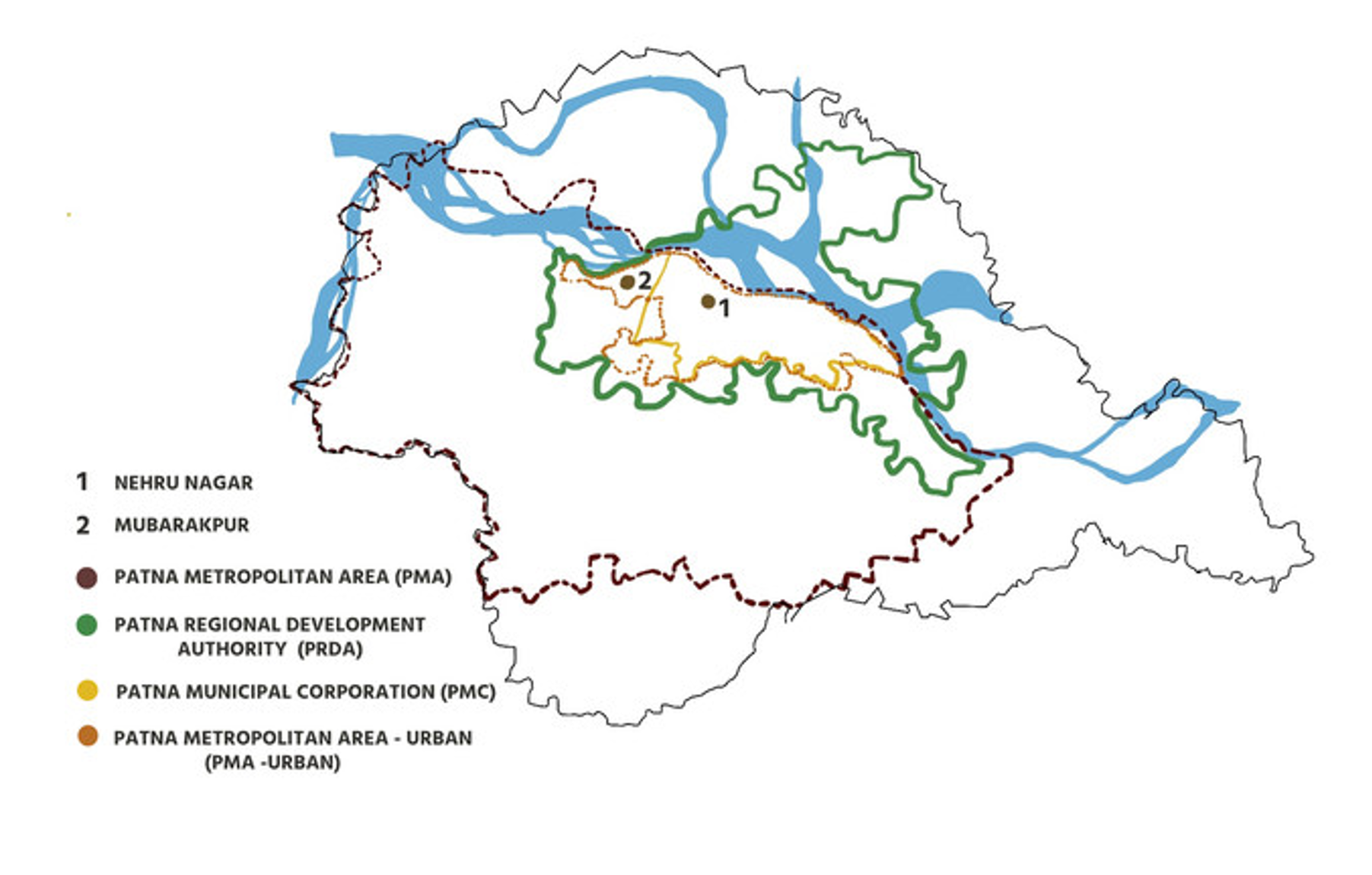
The river also functions as an archive of changing temporalities. Older residents in Patna recall shifts in the Ganga's course. In Delhi, stories circulate about a Yamuna once clear enough for drinking. These narratives are not merely nostalgic; they are forms of environmental memory that register long-term transformation. The river of the past and the river of the present coexist in conversation, even when materially altered.
In reflecting on my own positionality, I recognize that the metaphor of the river emerges not only from observation but from immersion — from listening to residents describe "ganda paani" after floods, from walking through waterlogged lanes, from noting recurring fevers in field diaries. The metaphor is therefore analytical but also experiential. It arises at the intersection of scholarship and lived engagement.
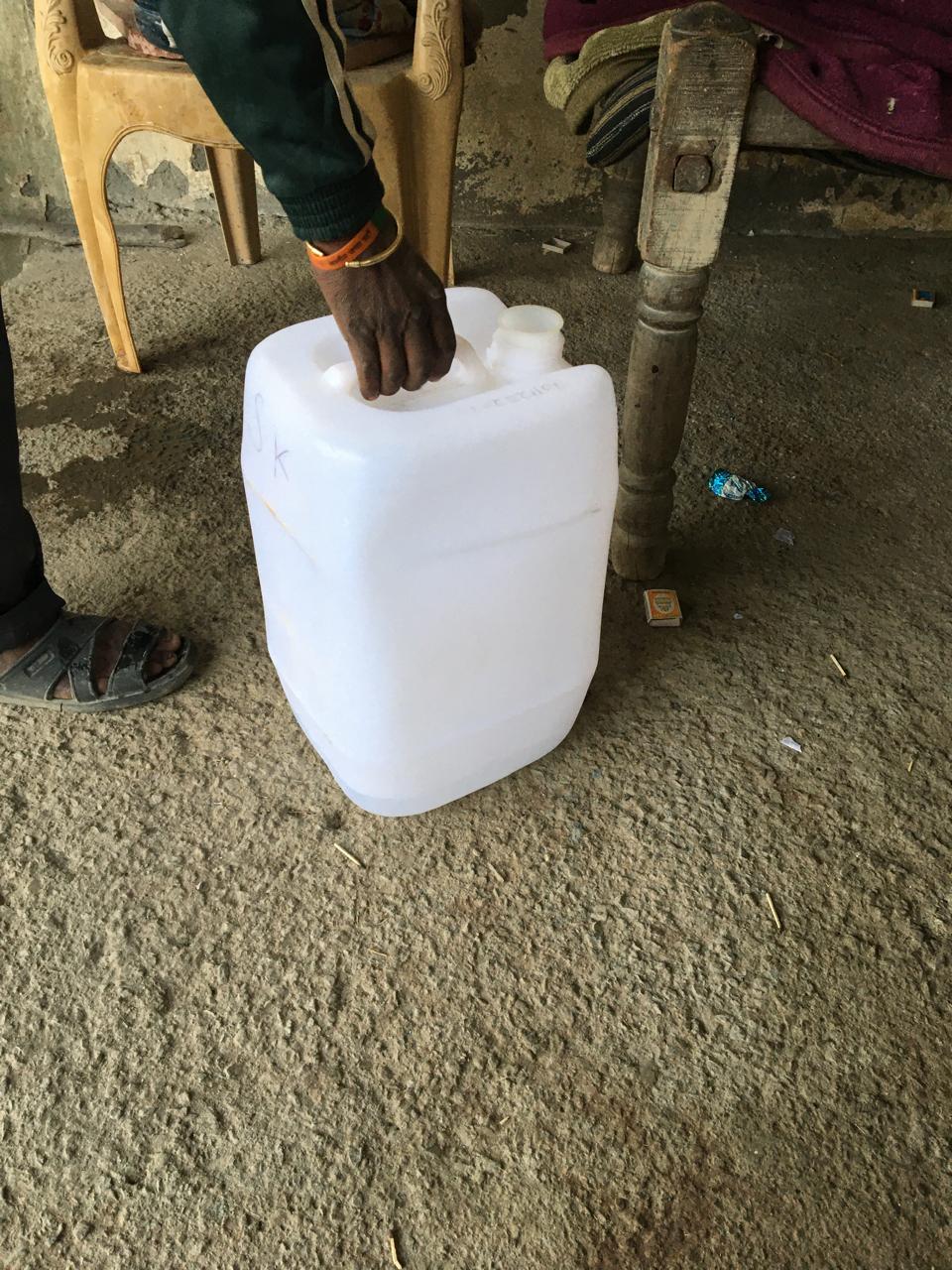 Photo: Aruna Bhattacharya
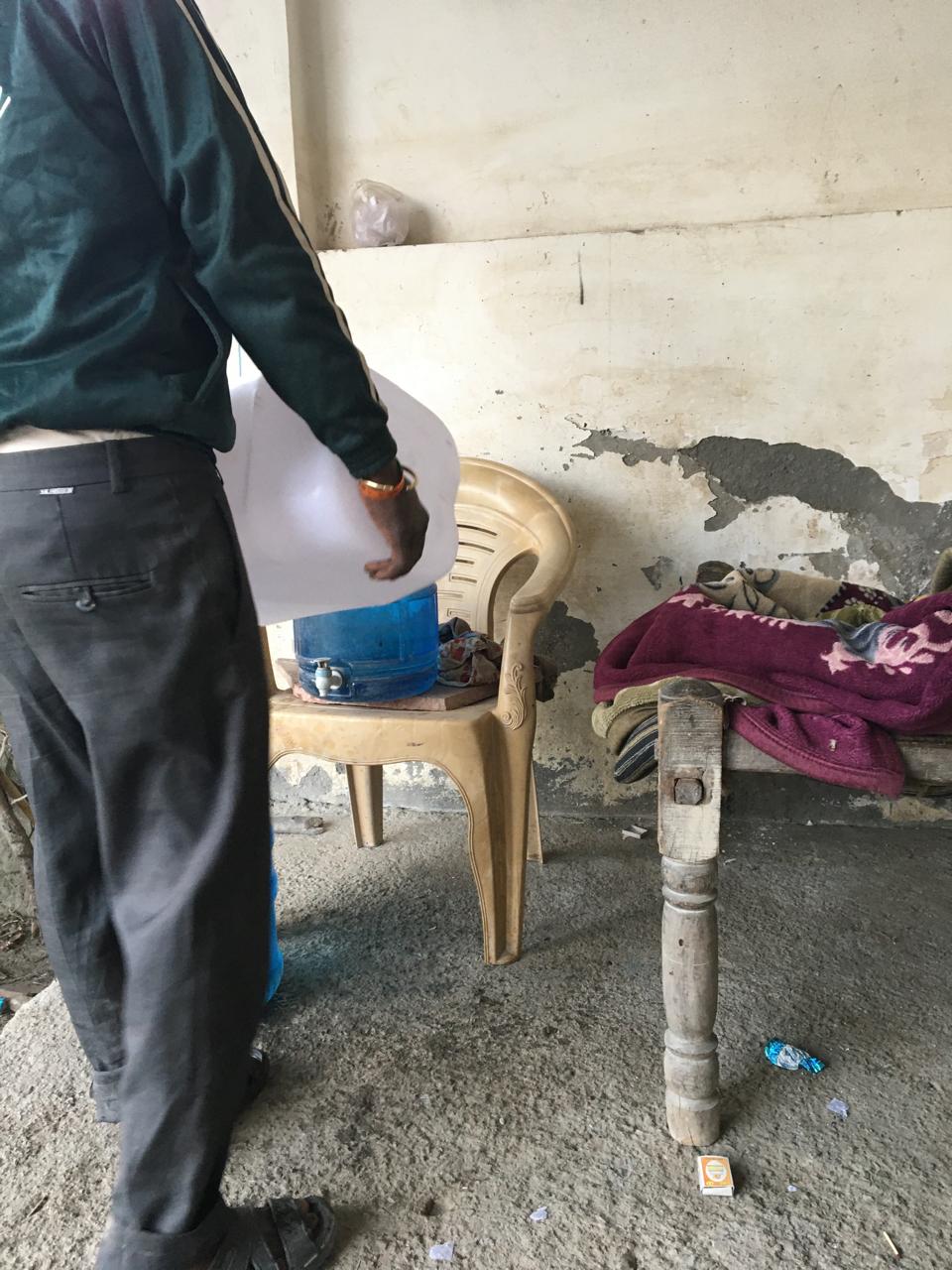 Photo: Aruna Bhattacharya
If river was a metaphor, it would be for the cities we are producing: layered, unequal, aspirational, and fragile. It would remind us that prosperity constructed along riverbanks is inseparable from responsibility toward those whose lives are most entwined with fluctuating waters.
A river is a gift. But a gift demands stewardship.
If rivers are reduced to aesthetic backdrops, drainage channels, or real estate frontiers, they will continue to return as sites of crisis — through floods, contamination, heat stress, and displacement. The burden of these crises will not be evenly distributed. Those already marginalized will bear disproportionate health and economic consequences in the name of beautification, cleansing, and development.
Perhaps the metaphor of the river can prompt a different analytic and policy imagination — one that understands riverine spaces as socio-ecological systems rather than vacant land; one that recognizes informal settlements as communities embedded in historical and environmental processes; one that integrates climate adaptation, public health, and urban planning.
Rabindranath Tagore once reflected on the Ganga–Padma's divided banks in undivided Bengal — one flourishing with paddy fields, the other devastated by floods. A century later, the image remains strikingly contemporary. One bank may host premium riverfront projects while the other negotiates displacement and disease, the river flows between them, indifferent yet revealing. To study the river, then, is also to study power — and to ask whose futures are being secured, and whose are rendered precarious, along its banks.
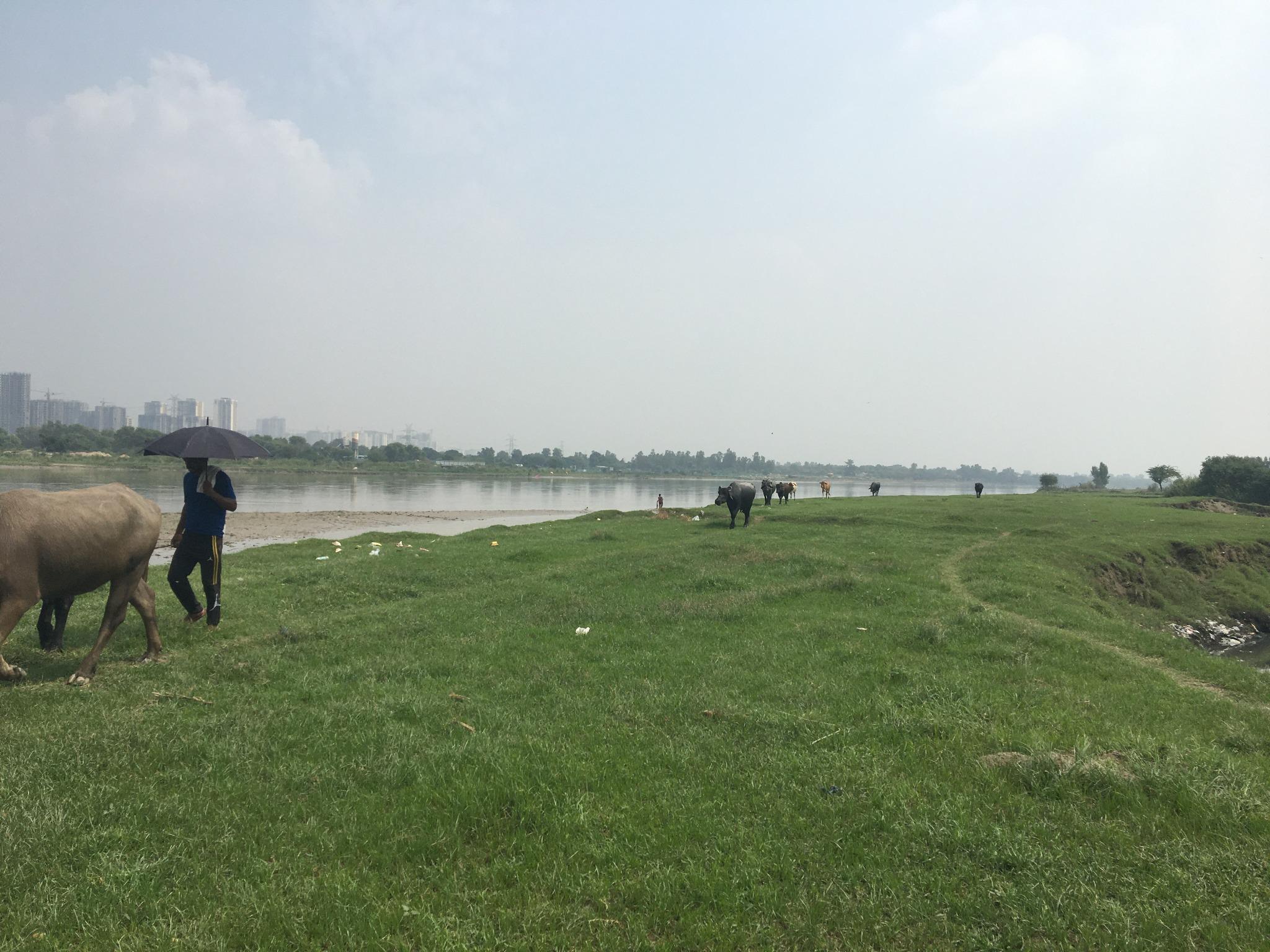 Photo: Aruna Bhattacharya
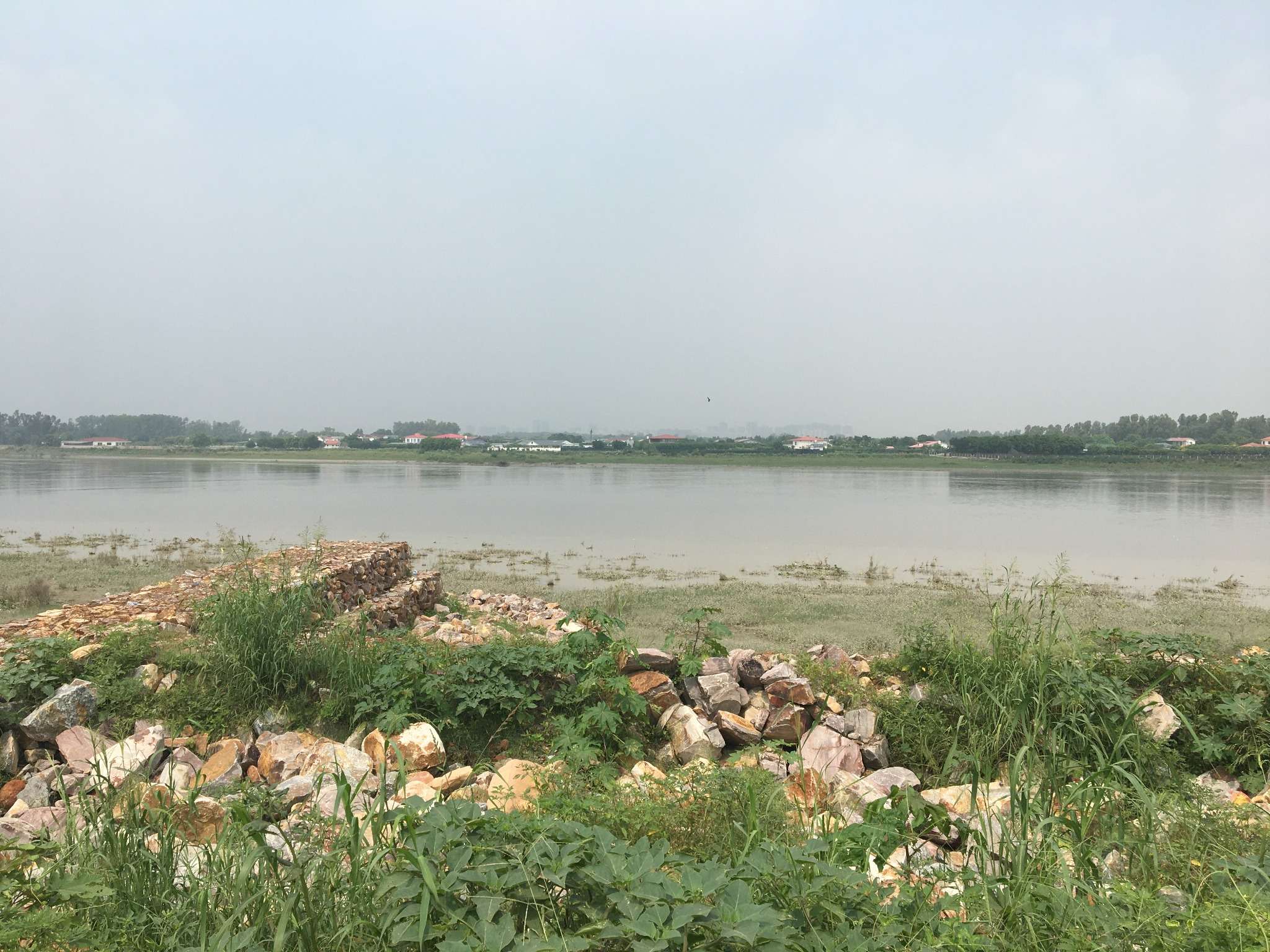 Photo: Aruna Bhattacharya