
On the Memory of a 122-Year-Old Sea Surge, a Cholera Outbreak, and the Practice of Everyday Resilience
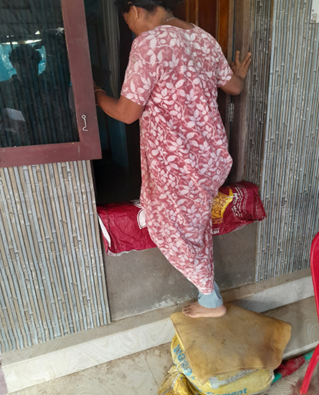
Chellanam, among the six fisherfolk settlements we are covering across Kerala's three coastal cities, stands out as a community deeply shaped by relentless sea surges and coastal flooding. In 2025 alone, Chellanam endured three major sea surges that damaged homes, forced temporary displacement, and triggered outbreaks of viral diseases—creating a persistent undercurrent of anxiety. However, Chellanam's story is not only about hardship but also about extraordinary resilience and adaptation. Here, disasters are met with a striking sense of normalcy, and family networks become lifelines—most residents relocate to relatives' homes, drawing on strong kinship ties, rather than government shelters. This normalisation is neither resignation nor denial, but a lived practice of everyday resilience, rooted in community and tradition.
In one of the narratives, a woman, a mother of two daughters, whom we met a week after the sea surge in August last year, had just returned home to clean it. While she showed the condition of her house and the damaged furniture and utensils in the kitchen after a sea surge, she also prepared a few cups of tea with the few things left there and shared stories about the last surge. She was moved to her sister's house in Vypin, away from Chellanam. Her husband was moved to one of his relatives' places, and both of them have stayed there for a week now. Both her daughters are abroad. The story of a sea surge suddenly shifted the story of how her daughter's marriage alliance happened three years ago, a day no one forgets because of the sudden sea surge. She seemed very enthusiastic to talk about it.
"Three years ago, during this time, we were planning to host a boy to see my daughter for a marriage alliance. When the boy and his friend arrived, there was water all around the house. We were nervous. The water keeps coming to the house so quickly. They also seemed panicked. We almost gave up all other plans and started preparing for a relocation. They also forgot the purpose of their visit, joined us, and helped us arrange our departure. They helped us pack things, tie down the tables and furniture, and keep the electronic items on the racks. After all that was done, they dropped us at a relative's place in their car."
She later added that "considering the situation they witnessed here, we were not sure the boy would be ready for an alliance, we didn't even talk about it. But, he is the one who married my daughter; they now live abroad."
She forgot her consistent struggles with relocation and house damage, and the conversation shifted to how family ties work and how local people help during a sea surge.
On another occasion, a government officer, who had transferred three years ago from Alapuzha, a neighbouring district, said what difference he had noticed in Chellanam.
"In Chellanam, what I felt strange about and wondered about is the resilient mindset of the people. Even though we often see protests on the streets demanding government intervention to protect them from sea surges, when you meet them in person, they appear remarkably calm, confident, and composed. This composure is not limited to moments of natural calamity. Even in situations that might leave people elsewhere deeply disappointed or emotionally distressed, they rarely display such extreme states of despair."
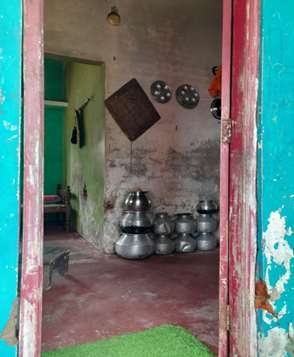
What shapes the Chellanam people's view of the sea surge as normal? One could perhaps think that the fragile geographical conditions- Chellanam is a narrow strip of land between the Arabian Sea and the Vembanad Lake, and is placed below the sea level, which makes them experience the sea surge very often, and this frequent experience has shaped their behaviour of dealing with the crisis. There are many narratives from Chellanam that explain the same; they have been experiencing sea surges for a long time.
Yet the narratives reveal a changing landscape. Older residents recall the sea entering their courtyards during monsoons, but it seldom caused serious harm. Now, however, the increased frequency and intensity of surges have transformed routine inconvenience into an existential crisis—damaging houses and displacing families. What was once considered usual is now a persistent emergency. Understanding how Chellanam copes with these escalating challenges requires a closer look at the social and cultural institutions that nurture collective resilience.
A hint to this resilience can be found in Chellanam's most important religious festival. Chellanam is predominantly a Latin Catholic settlement. St. Antony's Forane Church, under the Cochin Diocese and associated with the St. Joseph's Miraculous Shrine, also known as Kannamaly Palli, is one of the oldest and major churches in Chellanam. St. Joseph— often called Ouseph Pithavu—is revered for his miraculous interventions in times of crisis. Each year, the Ootu Thirunal (St. Joseph's Feast) draws thousands for a communal meal and ritual, reinforcing social bonds and collective memory. This festival is not just a celebration but a ritualised act of communal healing and remembrance, rooted in the story of a miraculous recovery from disaster over a century ago.
This event is important to look into, not because of its popularity, but the underlying mythical story that the Ootu Thirunnal organisation remembers every year. In the oral history, the story of the Ootu Thirunal (St. Joseph's Feast) reveals the miracle of Ouseph Pithavu, who served during a cholera outbreak that killed many people in Chellanam in the aftermath of a major sea surge that happened in Kochi and nearby areas in 122 years ago in 1905.
Michel, a resident of Chellanam, tells the story behind the observation of Ootu Thirunal at the St. Antony's Forane Church, locally known as Kannamaly Palli.
1905
The Fame
"The fame of this church goes back to an event in 1905."
January 1905
The Surge & The Outbreak
"That January, a strong sea surge hit the Kochi coast, and soon after, cholera spread everywhere. People died in large numbers in Chellanam, drinking water sources were contaminated, and even the cemeteries had no space left."
Midnight, March 18, 1905
The Vision
"Then, on the midnight of March 18, the parish priest, Fr. Joseph Suvaras, is believed to have had a vision of St. Joseph. The next day, March 19—the feast day—he asked people to bring food from their homes, but out of fear, only twelve people came."
March 19, 1905
The Decree
"Achan (the priest) told them," Michel said, "today we must decide—either we eat this food and die, or St. Joseph will save us." After the Mass, they took the saint's statue in a procession and blessed the food.
March 19, 1905 — Every Year Since
The Miracle
"Those who ate it did not fall sick, and people believe that even those suffering from cholera began to recover after eating the blessed food. From that time onwards, to remember this miracle, the Ootu Thirunal has been held every year on March 19, and the tradition continues to this day."
This year, as Kannamaly Palli marked the 122nd anniversary of the sea surge and subsequent cholera outbreak in 1905. The festival served as both a memorial and a living testament to the community's capacity for endurance and hope. It is reported that in this year about one lakh people attended the Ootu Thirunal.
In recent years, images and stories from Ootu Thirunal have reached wider audiences through social media, offering powerful visual testimony to Chellanam's enduring spirit. These glimpses invite outsiders to witness the rituals, preparations, and communal pride that sustain hope amid relentless adversity.
The Ootu Thirunal festival, and the ways in which it sustains and reanimates the collective memory of resilience in the face of the century-old sea surge and devastating cholera outbreaks, are profoundly significant. A community that remembers its most difficult times—coming together each year to celebrate its strength and the enduring memory of past resilience—cannot be easily broken, not even by the sea.
The smiles, confidence, and composure on people's faces speak to deeper, unspoken stories.